May 4, 2026
Whether you are looking to reclaim a sun-drenched living room or transform your backyard into a cool summer retreat, choosing the right shading solution is a pivotal design decision. Today’s homeowners are increasingly caught between two high-performance options: the sleek, interior-focused efficiency of solar shades and the classic, architectural presence of traditional awnings.
Understanding Solar Shades
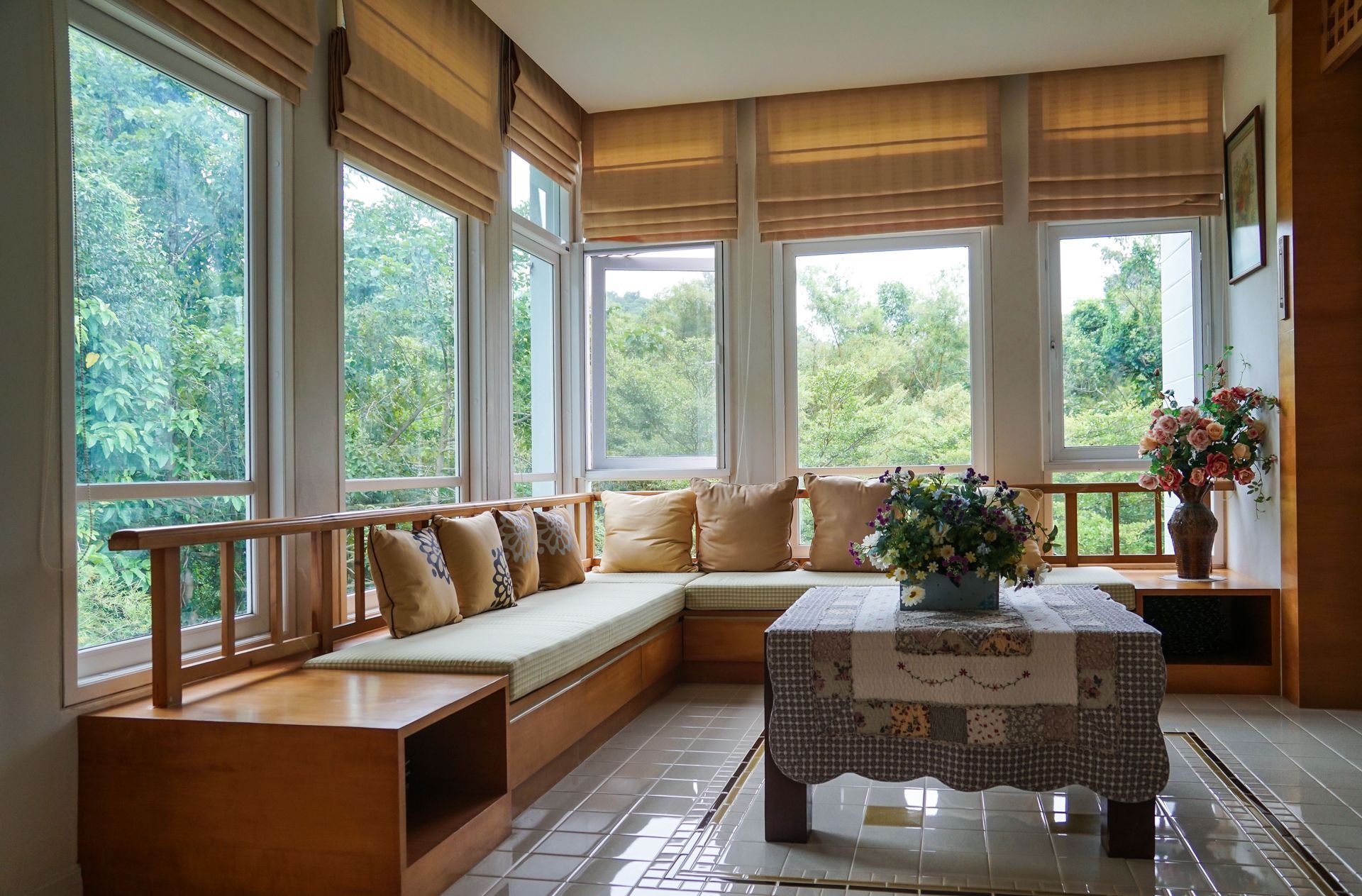
Solar shades are a modern alternative for sun protection, designed primarily to block direct sunlight and reduce glare within interior spaces. They operate by allowing a portion of natural light to filter through while reflecting a significant amount of solar radiation, reducing heat gain. These shades are often made of tightly woven, synthetic materials that balance transparency and opacity, enabling views of the exterior while enhancing indoor visibility. The mechanism behind solar shades typically involves a roll-up design that can be easily operated manually or through motorized systems, offering flexibility in usage. This feature makes solar shades particularly appealing for contemporary spaces looking to maintain a connection with the outdoors while controlling interior climates.
The construction of solar shades predominantly involves materials like polyester or fiberglass yarns, coated with protective substances that improve durability and UV resistance. These materials come in various openness factors, determining the amount of light that can enter a space. Design options are abundant, ranging from minimalist styles to more decorative choices, allowing customization based on architectural styles and personal preferences. Furthermore, manufacturers offer different color palettes and textures, providing consumers with the ability to harmonize their shades with interior decor. This customization aspect has contributed significantly to the rising popularity of solar shades in the home improvement market, aligning with individual aesthetic values while ensuring functional benefits. Did you know? According to Intel Market Research, the global patio blinds market is projected to grow from $1677 million in 2024 to $2348 million by 2032.
One of the primary benefits of solar shades is energy efficiency. By reducing solar heat gain, these shades lessen the cooling demands of air conditioning systems, resulting in lower energy consumption and cost savings. Additionally, solar shades offer substantial UV protection, shielding indoor furniture and flooring from potentially damaging sunlight. Moreover, they significantly contribute to indoor comfort by reducing glare and maintaining consistent temperatures, making living spaces more pleasant. As a result, homeowners and businesses alike find these shades an attractive option for improving energy efficiency and comfort. This advantage aligns with the projected growth of the global patio blinds market, highlighting an increasing demand for sun control solutions like solar shades.
When choosing solar shades, several factors should be thoroughly considered. The local climate plays a pivotal role, as regions with high sunlight exposure would benefit most from their shading properties. Moreover, the orientation of windows and their exposure to direct sunlight influence the effectiveness of solar shades in reducing heat gain. Aesthetic preferences are also important, as the shades need to complement the existing style and color scheme of a space. Additionally, considering the level of privacy required is essential since the openness factor of solar shades affects visibility from the outside. Informed choices based on these considerations help maximize the functional and aesthetic benefits solar shades provide.
Exploring Traditional Awnings
Traditional awnings are exterior structures designed to extend over windows, doors, patios, or decks to provide shade and aesthetic appeal. Typically constructed from fabric or metal, these awnings project outward from the building, offering protection against direct sunlight and precipitation. Their primary function is to enhance outdoor comfort by creating sheltered spaces that are shielded from harsh weather conditions. In addition to their practical benefits, traditional awnings are often used to accentuate architectural elements and add a decorative touch to building facades. Given their versatility, they serve as an effective means to enhance the functionality and appearance of outdoor environments.
The variety of materials used in traditional awnings allows for a broad range of styles to suit different architectural needs. Common materials include canvas, acrylic fabric, vinyl, and metal, each offering varying degrees of durability, weather resistance, and maintenance requirements. Fabric awnings, often favored for their visual appeal, are available in numerous colors and patterns, providing ample opportunities for customization. Metal awnings, on the other hand, offer a robust and long-lasting option, although they may lack the same aesthetic versatility. Regardless of choice, the range of materials and styles enables property owners to tailor awnings to match existing architectural designs and preferences.
Traditional awnings offer environmental benefits by reducing indoor cooling requirements and protecting indoor spaces from excess heat and sunlight. By minimizing solar heat gain, they contribute to significant energy savings, thereby decreasing dependence on air conditioning systems. Additionally, traditional awnings enhance a building's curb appeal, adding unique architectural details that attract the eye. The protective qualities of awnings also extend to shield windows and doors from weather-related damage, prolonging their lifespan. These benefits underscore the value of traditional awnings as an effective solution for enhancing energy efficiency and visual appeal in both residential and commercial properties.
Aesthetic and Design Considerations
The integration of shading solutions with structural designs is a crucial aesthetic consideration for homeowners seeking to enhance property value and curb appeal. Solar shades are designed for seamless installation, blending effortlessly into window frames and maintaining uninterrupted sightlines. Their understated presence suits modern constructions, providing functional benefits without detracting from architectural integrity. Traditional awnings come into play with more visibility, creating defined lines and adding depth to building facades while providing practical coverage. Achieving cohesive visual integration requires planning and evaluation of architectural styles and features to ensure harmonious shading solutions.
The variety of colors and patterns available for solar shades and traditional awnings enables consumers to tailor their choices to match or redefine visual aesthetics. Solar shades offer a spectrum of shades from subtle neutrals to vibrant tones, facilitating alignment with interior decor or exterior facades. This extensive color palette allows for versatile applications, enhancing buildings by maintaining functional applications while emphasizing aesthetic appeal. Traditional awnings, synonymous with rich patterns and bold colors, provide opportunities to inject visual dynamism, drawing attention through strategically chosen designs. By leveraging color and pattern diversity, users can achieve inspiring and personalized environments that reflect unique stylistic aspirations.
Acknowledging the impact of shading solutions on curb appeal is crucial in assessing their contribution to property valuation and appearance. Solar shades, though less visible from the exterior, reinforce clean, modern aesthetics that are well-received in new constructions or renovations focused on sustainability and design continuity. Traditional awnings impart distinct character to properties, influencing architectural lines and offering decorative focal points that enhance visual charm. Their transformative effect on exterior appearances frequently translates into improved curb appeal, bolstering real estate desirability and monetary worth. Whether opting for low-profile solar shades or eye-catching awnings, elevating exterior aesthetics remains intrinsic to both shading solutions.
The choice between solar shades and traditional awnings ultimately depends on whether your priority is precision light control inside the home or expansive shade for the outdoors. Solar shades are the modern answer for those who value uninterrupted views and "invisible" technology, while traditional awnings remain the gold standard for curb appeal and creating weather-protected outdoor sanctuaries. By aligning your choice with your local climate and your home’s unique aesthetic, you can create a space that is as comfortable as it is beautiful.
Don't let another summer of glare and high utility bills pass you by. Schedule a professional consultation from Premier Shutters and Blinds today to explore our latest 2026 collection of smart solar shades and designer awnings, and discover the perfect fit for your space.